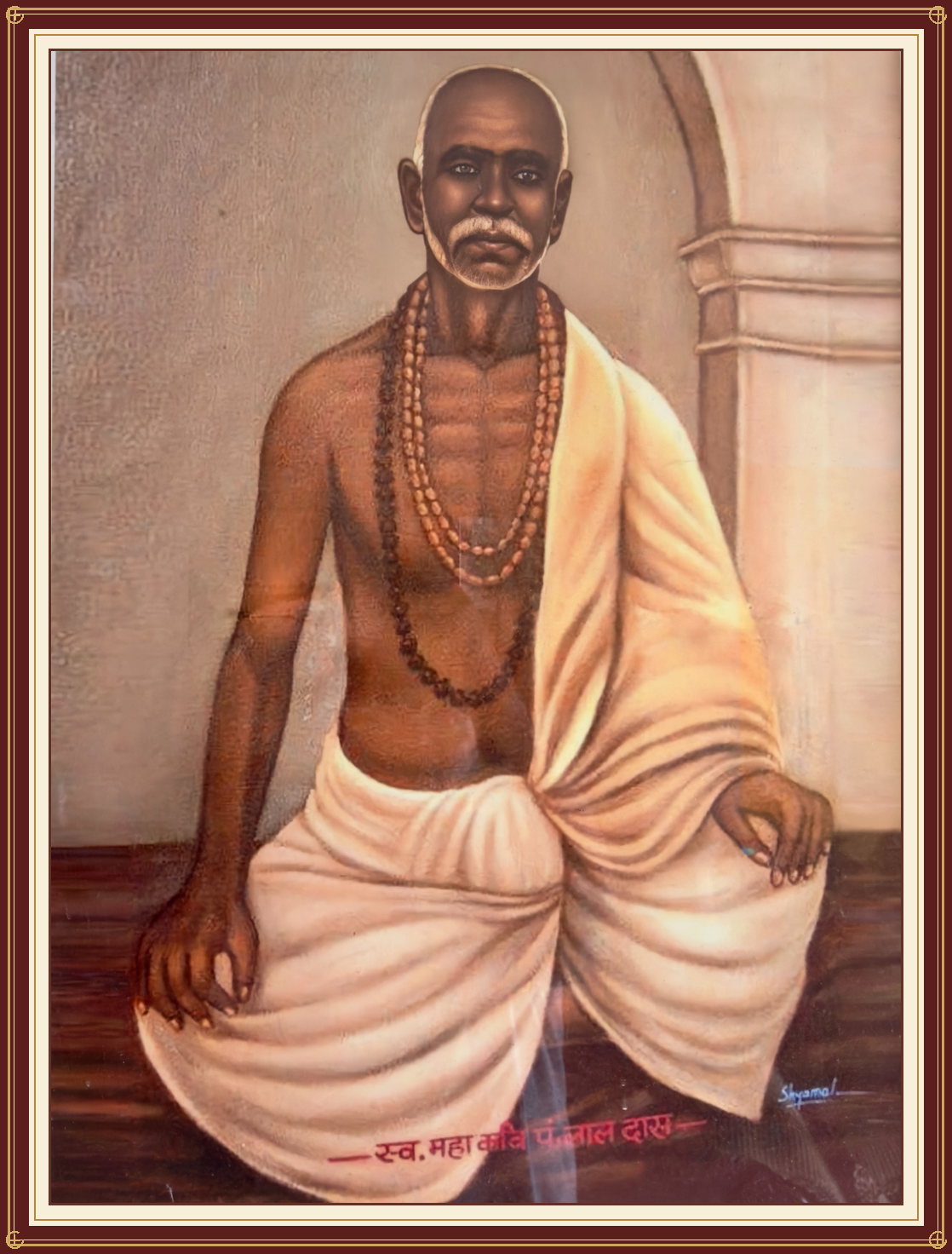
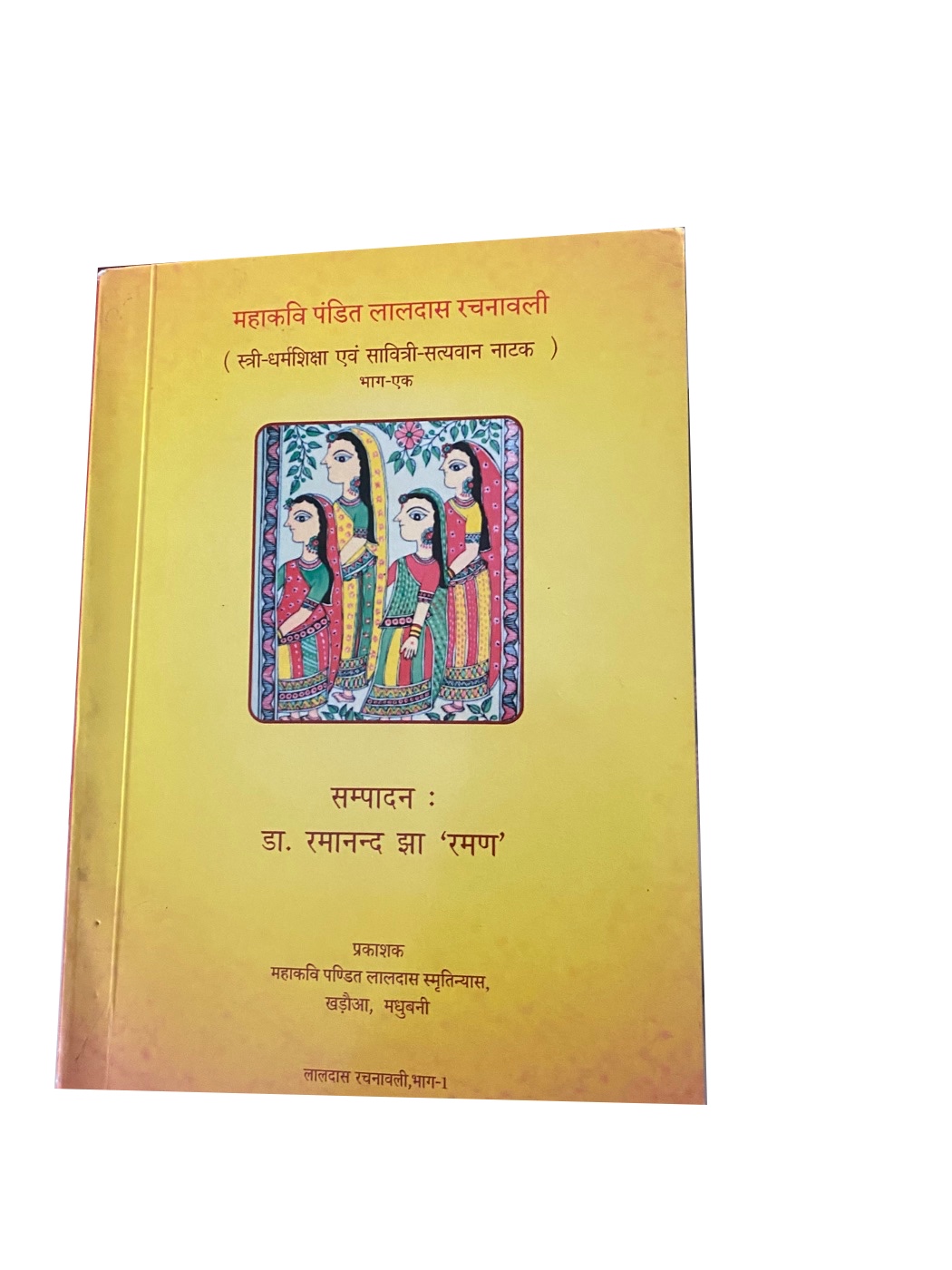
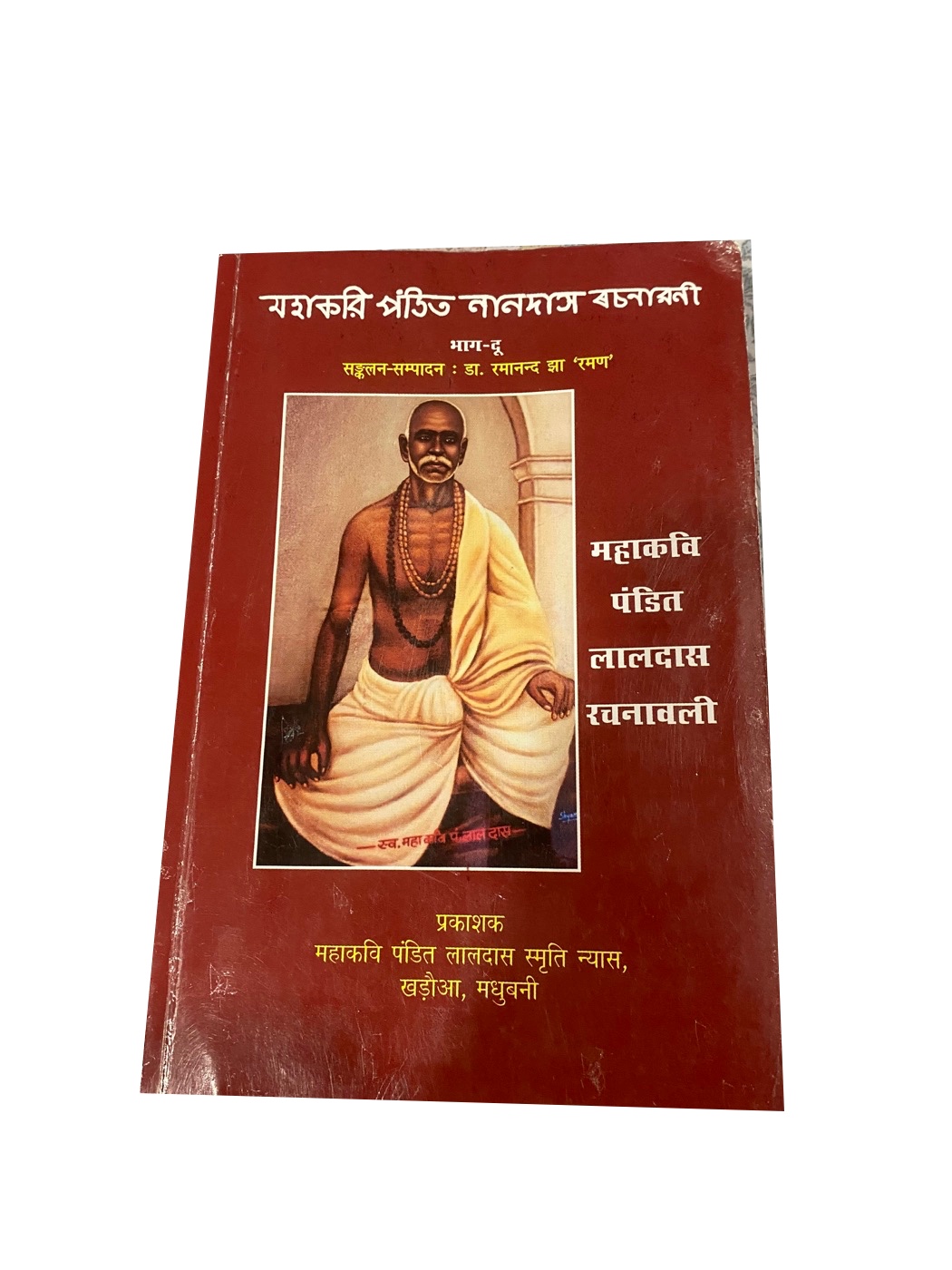
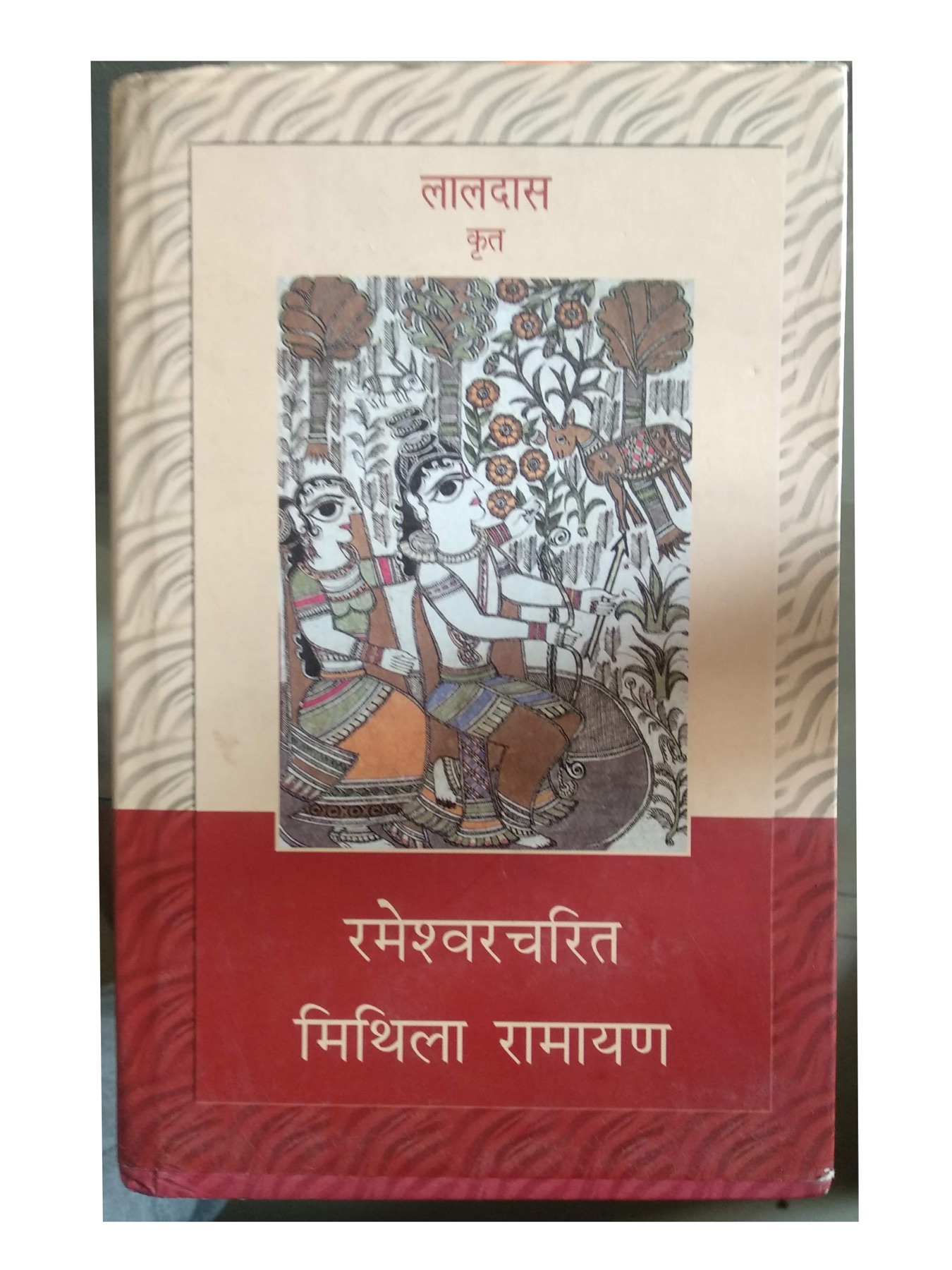
A life and body of work presented through family-supplied editions and source-based biography.
✦
परिचय · Biography
The poet and his times
The account of his life in Lal Das Rachanavali describes a scholar formed by devotional learning, family traditions and a sustained engagement with literature.
01
Birth and family
Born in a Kayastha family in Madhubani, then part of Darbhanga district, Lal Das arrived on Falgun Krishna Tritiya in Vikram Samvat 1912 (1856 CE). Named Chudamani Das at birth, he became known as Lal Das. His father Bachkan Das was devout; his mother was remembered for her virtue and religious devotion. The family had five sons and five daughters.
02
Learning and scholarship
Lal Das began alphabet learning at about age five, with early instruction in Mithilakshar and Hindi. His father chose Sanskrit as the foundation of his education. He also studied Persian for four years with a Maulvi and went on to study Sanskrit, devotional literature and classical texts.
03
A literary life
Lal Das’s life joined teaching, poetry, religious composition and translation. He travelled on pilgrimage to Kashi, Prayag, Ayodhya, Vrindavan and Janakpur, and composed Maithili works including the Mithila Ramayan.
The Part 2 essay on Lal Das’s significance presents a writer whose work connects Maithili expression with religious, philosophical and cultural learning.
01
Maithili literature
Poetry, narrative and translation in Maithili form a central part of the works listed across the two Rachanavali parts.
02
Sanskrit and classical learning
The biography describes his study of Sanskrit and classical religious texts; the significance essay emphasizes his grounding in religious and Puranic literature.
03
Religious and philosophical writing
The catalogue includes vrat kathas, Chandi Charit, Janaki Ramayana and a Maithili translation of the Shrimad Bhagavad Gita.
04
Literature and cultural memory
The source essay notes that some writings preserve historical, social and cultural details of Mithila alongside their literary and devotional purposes.
Based on “Mahakavi Lal Dasak Mahatva,” in Mahakavi Pandit Lal Das Rachanavali, Part 2 (2021), printed pages 7–11.
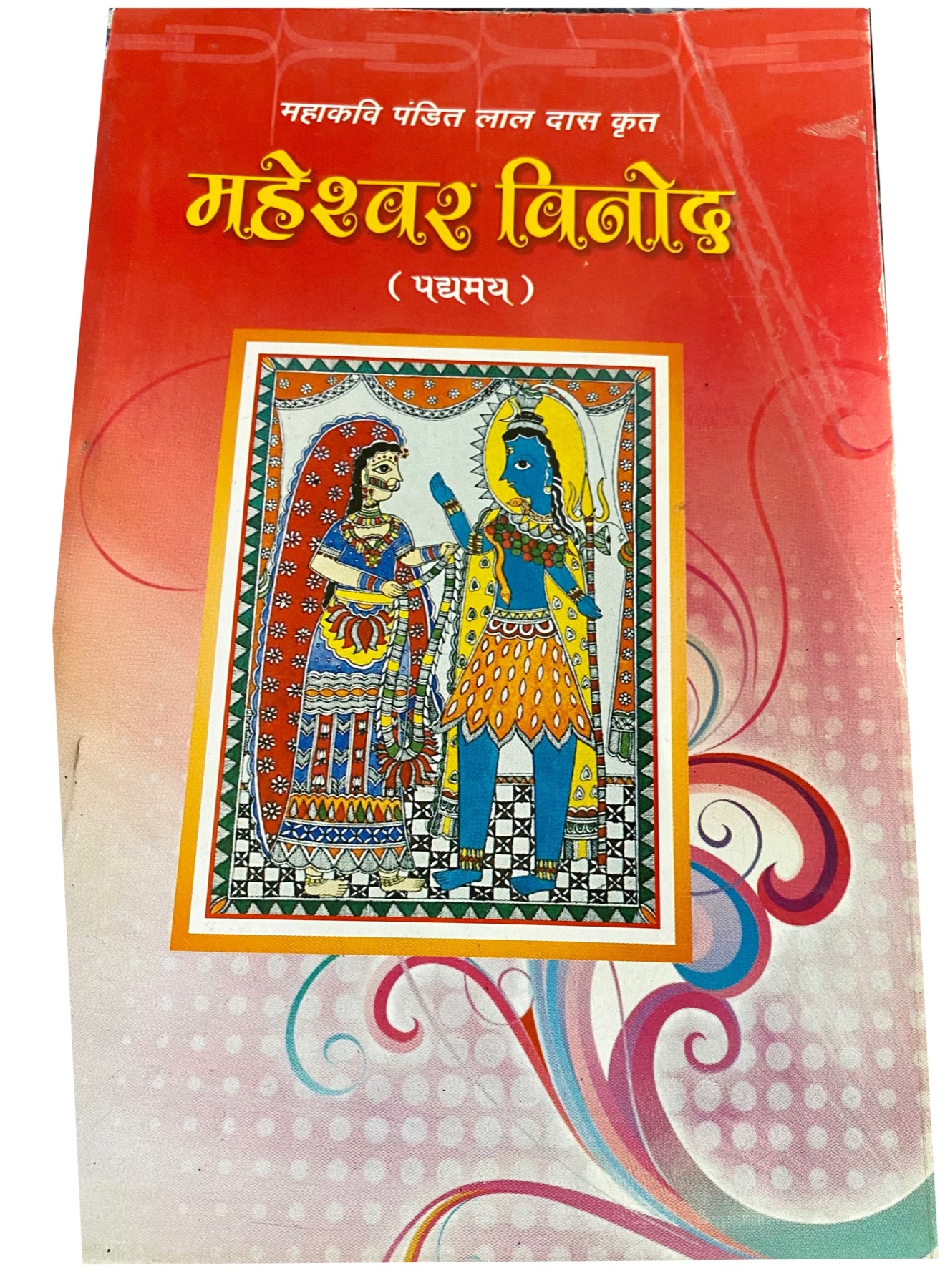
Two further titles, Rameshwar Charit · Mithila Ramayan and Maheshwar Vinod, were published independently before Mahakavi Pandit Lal Das Rachnavali Part 1 and Part 2. The groups below list works from the published Rachnavali parts.